A dental practice scheduling problem is rarely a software problem. It's a discipline problem. The well-run schedules in this industry follow the same five rules — production-targeted days, eight block types, protected same-day capacity, a Friday reset, and a recovery protocol when the schedule blows up. This page walks through all five and tells you honestly what your team has to own for any of this to stick.
Most dental practices schedule reactively. A patient calls, the front desk finds the first opening, the slot gets filled. By Friday the doctor is exhausted and production is below target. The fix is to build each day against a production number before it gets booked — what we call a production-targeted schedule.
The math is concrete. For a typical general dental practice, a $6,500 doctor-day looks like four crowns, six hygiene appointments, two fillings, and a protected new-patient slot. Hygiene contributes another $1,800–$2,400 in independent production. A $2.2M two-doctor practice runs on roughly 250 production days a year at $8,500 average — which is a number the team can plan against, not just hope for.
Production-targeted scheduling means the front desk knows what the day needs to look like before the phone rings. The first call of the morning isn't a search for an open slot — it's a search for the right slot to fill the day's production picture.
Most dental schedules use three block types — doctor time, hygiene time, and "open." Well-run schedules use eight. The difference is the difference between a schedule that runs the practice and a schedule the practice runs around. Each block has a job. Each is protected.
Practices that hold all eight blocks see 15–25% higher production per doctor-day inside 60 days. Not from working longer hours — from working through fewer reactive 30-minute gaps.
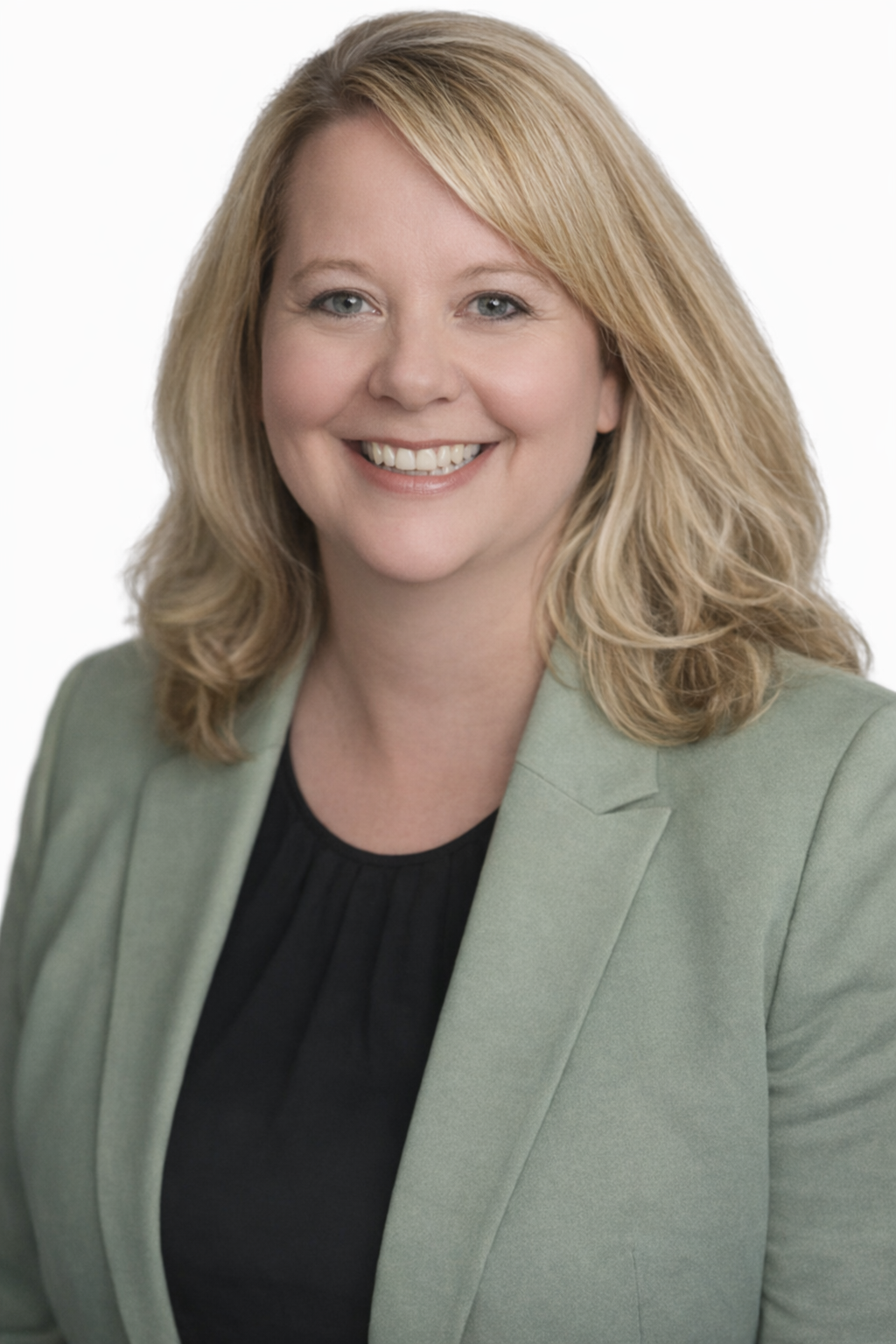
Tammy will review one of your typical weeks and show you which block types are missing and what the math says about each gap. 45 minutes, no commitment.
Block scheduling pre-reserves time by procedure type. Crowns get 90-minute blocks. Fillings get 45. Hygiene gets 60. The doctor's day is segmented by production value before any patient calls.
Open scheduling takes patients in whatever slots they want. Whoever calls first fills the next opening. The schedule is reactive by design.
Block scheduling wins for established two-doctor general practices with clear procedure mix, a trained front desk, and a stable patient base. Most $1.5M+ practices belong here. Open scheduling wins for brand-new practices with low volume, specialty practices with unpredictable cases, and practices in a true rebuild phase where flexibility matters more than optimization.
The mistake most consultants push is universal block scheduling. The honest answer is that the right system depends on practice profile and stage. We diagnose that on the assessment call before we recommend either.
We won't tell you scheduling software will fix this. Dentrix, Eaglesoft, OpenDental, and Curve all support every concept on this page. New software is the single most expensive way to avoid the actual work, which is team discipline.
We won't tell you there's a script that solves the schedule. Scripts help. So does the team running the script being trained, given permission to protect the schedule, and supported by the owner when a patient pushes back. The discipline is the work. The script is the tool.
And we won't tell you we can solve this in a single workshop. We can teach it in a single workshop. The behavior change that makes it stick takes six to twelve months of monthly coaching. Practices that book a one-time scheduling consultation and expect 12 months of behavior change get neither.
Average general dental practice production per chair-hour is $325–$425. Well-coached practices reach $475–$575. The gap is rarely about the dentistry. It's about the schedule running the practice instead of the practice running the schedule. A 12% production-per-hour improvement on a $2M practice is $240K a year — from no additional patients, no additional hours, no additional staff.
Practically nothing — both terms describe the same work. SEO content treats them separately because dental owners use both phrases interchangeably. The discipline is identical regardless of terminology: production-targeted days, block types, protected new-patient capacity, and a Friday reset ritual.
Software-wise, all four major practice management systems (Dentrix, Eaglesoft, OpenDental, Curve) support production-targeted block scheduling. The system isn't the lever — the team's discipline is. Practices switch software hoping for a fix; they usually find the same schedule problems with a different interface.
Quarterly is reasonable. Most practices benefit from a 30-minute weekly Friday reset (next week's schedule) plus a quarterly deeper audit (block types, recovery list usage, fill rates by block type). The Friday ritual is the single highest-leverage habit a practice can build.
Counterintuitively, the most-booked practices have the highest scheduling discipline. They protect new-patient slots even when the schedule is full because they know how much one lost new patient costs. They also use the three-list recovery system to absorb cancellations without scrambling. See our article on filling schedule gaps for the full system.
Coaching, not announcing. The owner's voice matters less than the team understanding why each rule exists. Teams that own the rules enforce them. Teams that are told the rules find ways around them within 30 days. Practice Management Systems coaches the team — not the doctor lecturing the team.
For most $1.5M+ practices, yes. The math typically shows $80K–$240K of recoverable annual production from schedule discipline alone (15–25% production-per-hour gains). The coaching investment for a 12-month engagement runs $25K–$45K. Reasonable practices recover the fee in the first 60 days. Unreasonable expectations create bad outcomes — we don't promise overnight.
Schedule discipline directly determines case acceptance fulfillment. Practices that present $200K of treatment but have no Monday capacity to schedule what's accepted on Friday lose 30–40% of the accepted work to follow-up drift. Same-day capacity is part of scheduling discipline — it's where the case acceptance work either lives or dies.
Free 45-minute assessment. Tammy will review one of your typical weeks and identify which block types are missing. No commitment.
Free Assessment