Most dental practices have all the patients they need. They just don't convert the right percentage of new-patient inquiries, don't get the right yes on case presentations, and don't capture the production hygiene should be generating. Four levers move the revenue needle. We coach on all four, in your operatory, on Wednesday morning.
The single highest-leverage thirty-second sequence in any dental practice is the way the phone gets answered for a new patient. Most practices lose 20–35% of new-patient inquiries on the call. The number is recoverable in two weeks with the right scripts and a coach in the room while the front desk practices.
We listen to recordings of your actual phone calls. The team practices. Conversion goes up. The whole revenue base shifts.
The biggest revenue leak in most practices isn't the schedule — it's accepted treatment that doesn't get scheduled, and presented treatment that doesn't get accepted. A small percentage gain here is worth more than a year of marketing spend.
We coach the conversation from greeting to financial close. Doctors learn how to present without over-explaining. Team members learn how to handle the financial close so the doctor doesn't have to.
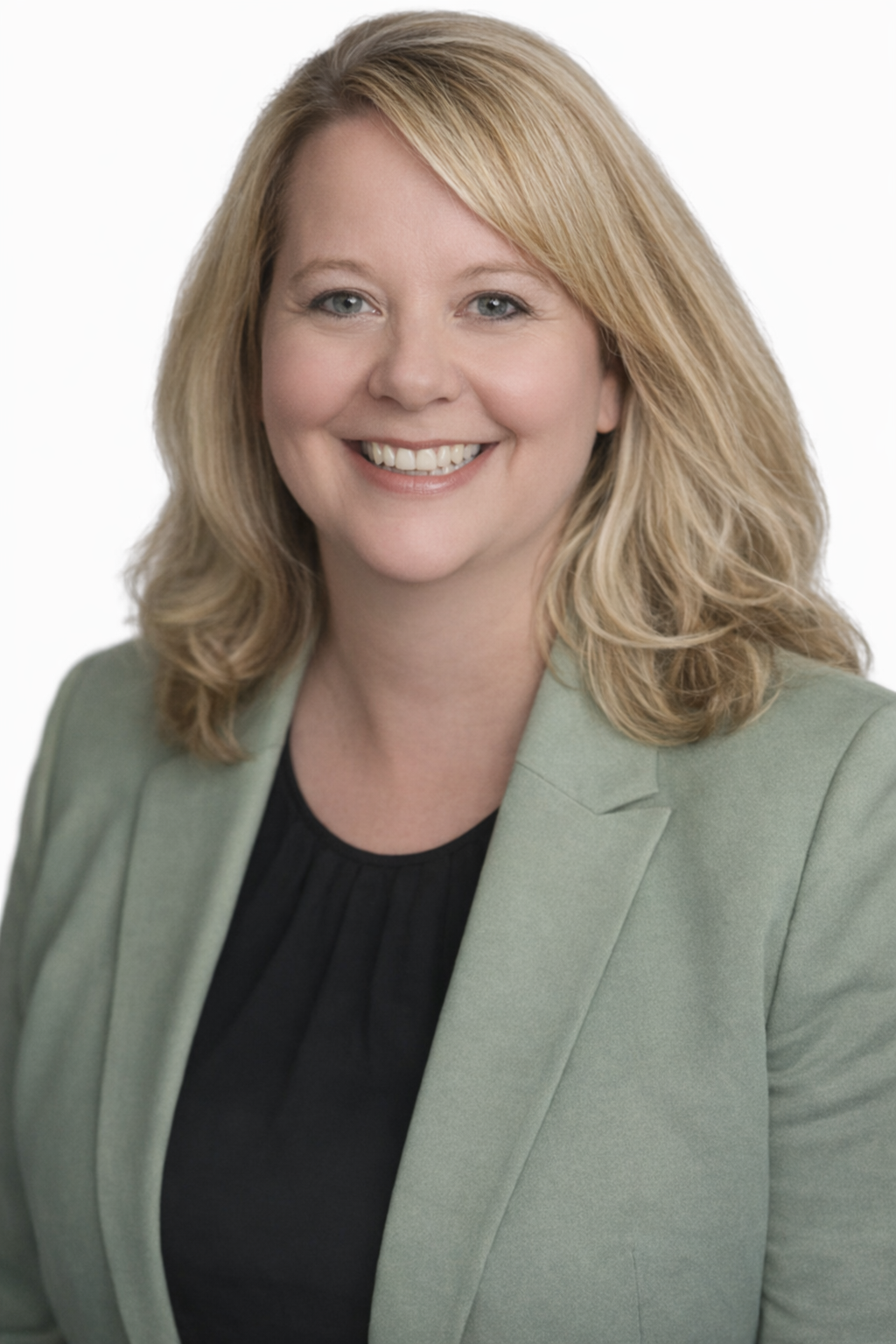
45 minutes with Tammy. She'll walk through one of your typical weeks and show you what would lift production first. No commitment.
Hygiene is the engine of the practice and the most under-coached department. Most hygiene programs are leaving 20–30% production on the table — under-classified perio, missing fluoride conversations, undelivered hygiene findings to the doctor.
We work directly with hygienists. The hygienist who's been doing the same exam the same way for nine years can pick up 30 production minutes a day with a coached vocabulary shift.
Across the practices we've coached, the typical 12-month outcome is 15–30% production growth from the same patient base — without raising fees or chasing more new patients. The bigger gains come in year two as case acceptance improvements compound.
New-patient phone conversion improves in the first two weeks. Case acceptance starts shifting within 30 days. Hygiene production takes 60–90 days to fully restructure. Fee schedule audits recover money immediately.
No — and we don't treat it that way. The biggest profitability wins usually come from the fee audit (immediate margin), the case acceptance work (high-margin same-day production), and the team retention work (the cost of one bad front office hire is $35K).
No coach guarantees revenue and the ones who do are selling something else. What we guarantee is the work — the assessment, the workshop, the on-site visits, the team coaching. If the team executes, the revenue follows the math.
Marketing increases the top of the funnel. Most dental practices have plenty of new-patient inquiries — they're losing them on the phone, in the operatory, or at the financial close. Coaching fixes the conversion. Marketing without conversion just wastes money faster.
Tammy + David Duncan have 38 years between them in dental practice operations. They've owned, sold, and bought back the same practice. They've coached hundreds of practices through revenue plateaus, acquisitions, expansions, and the team-level work that drives durable growth.
Most practices think growth comes from new patients. It almost never does — the leak is in conversion. Increase dental practice revenue by fixing the four leaks first: new-patient phone conversion, case acceptance, hygiene production, and fee schedule. How to grow a dental practice in 2026 looks like internal optimization, not external acquisition, because new patient costs have doubled in five years while internal conversion math hasn't changed.
Average general dental practice revenue is around $700K–$1.1M in 2026 for solo doctors. Two-doctor practices land $1.5M–$3.5M. Dental practice production per chair-hour is the better metric — average is $325–$425, well-coached practices reach $475–$575. How to increase production dental practice is mostly about case acceptance + hygiene math.
Case acceptance: the doctor needs less language, not more. Stop over-explaining. The hygienist needs more language, not less — periodontal classification and sub-gingival findings drive doctor case presentation. Hygiene production scales when the hygienist owns 25–30 minutes of every recall as treatment-plan conversation time, not extra prophy.
Tammy will tell you which lever to pull first. Free 45-minute assessment, no commitment, you leave with something specific to change Monday.
Free Assessment